4 ways to create an eco-friendly garden
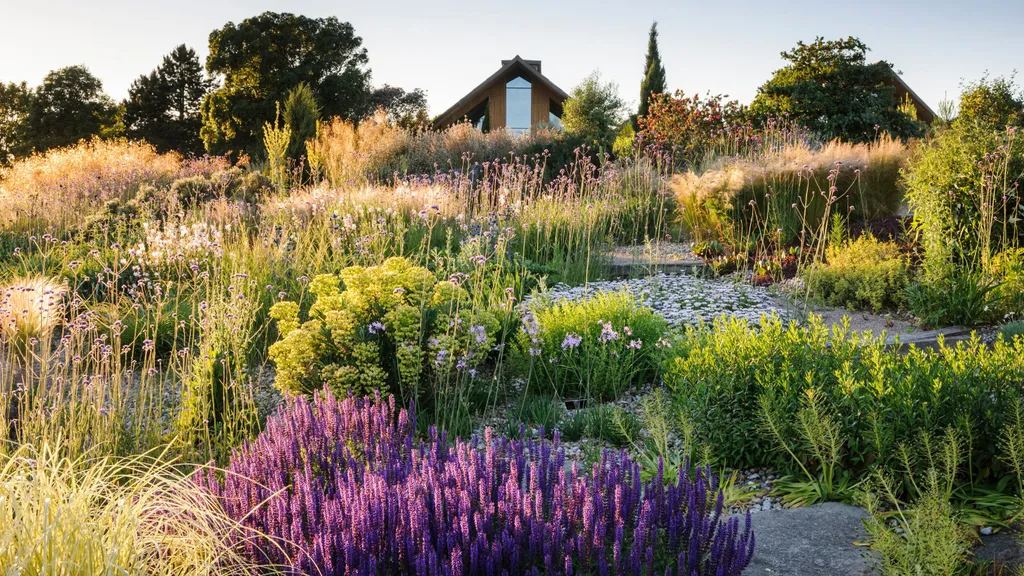
1. By improving soil health: The secret to growing a garden that is sustainable, capable of capturing and storing carbon, and home to most microscopic organisms and small critters that support the planet's health resides in the soil. Soil quality improvement is also one of several wildlife garden ideas. Carbon, which soil holds beneath the surface but releases into the atmosphere when disturbed, makes up an important portion of the soil. Apply a thick layer of this organic material, such as leaf mulch, to the soil by learning how to build compost. Worms and other living things will then eat their way down into the soil. Thus, the soil's structure will be improved, and plants will receive nutrients. Using peat-free compost will also help the environment because the bogs from which it is made are excellent carbon sinks and home to numerous endangered species. To provide your plants with the nutrients they require to grow strong and resist our fluctuating weather patterns, it is extremely essential to maintain healthy soil.
2. By Selecting native plants: To encourage wildlife and insects, try to incorporate native flora. Garden designer Sarah Eberle suggests, "If you choose the right plants for the site, they will also require less feeding and watering" (opens in a new tab). Ecologically and fiscally, employing native plants in the locations according to a naturalistic planting plan makes sense because you won't have to replace plants that don't thrive. Even a modest wildflower patch made of native plants would aid and attract a wide variety of species.
3. By growing a dry garden for saving water.
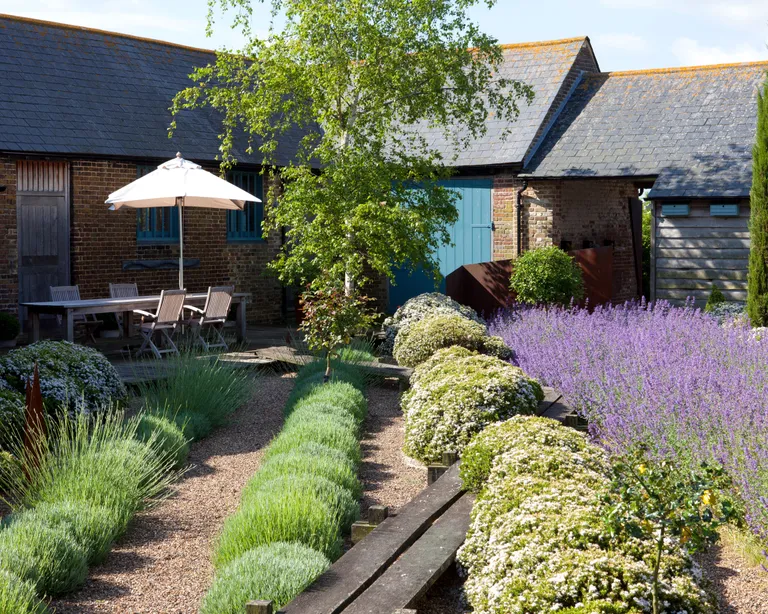
Whether you are remodeling a border or a full garden, planning a dry garden is a terrific eco-friendly option. Plants that thrive in arid, sunny environments, such as those you might use to design a Mediterranean garden, are featured in dry gardens. These have everything from olive trees to woody, fragrant herbs and require little water to thrive. They are also a wise choice if you are thinking about sloping garden ideas because these plants can handle water runoff better.
4 By using natural pest control: Instead of utilizing pesticides, which are damaging to the garden's native wildlife, opt for organic growth techniques.A sustainable garden uses natural pest management rather than harsh chemicals for pest control. Whether deciding when to plant veggies, consider companion planting as well as environmentally friendly fertilizers like mulch and handmade compost.
For more information and for buying manured soil and natural pesticides you can contact us anytime through our blog.


I think we should use this information if you want to save our earth. Keep blogging 👍
ReplyDeleteEveryone should need to learn about it. And use these tips for betterment
ReplyDeleteNice blog with great information 👍
ReplyDelete